- All
- ! Without a column
- ! Без рубрики
- +++pu
- 1
- 1-2
- 10000sat2
- 10005sat
- 10060sat
- 10150_sat
- 10200_tr
- 10300_wa
- 10300sat
- 1030i
- 10350_tr
- 10350tr
- 10400_sat
- 10500_sat
- 10500_sat3
- 10500_wa2
- 10500_wa4
- 10525_sat
- 10600_prod2
- 10600_wa
- 10650_tr
- 10700_sat
- 10710_wa
- 10800_prod
- 10800_tr
- 10985_wa
- 11000prod3
- 1Win Brasil
- 1win Brazil
- 1win India
- 1WIN Official In Russia
- 1win Turkiye
- 1win uzbekistan
- 1winRussia
- 1xbet Russian
- 2060
- 5
- 6860_wa
- 8600_tr2
- 9990sat
- AC & DC Gearmotors
- accordcinefest.com
- Actuator
- adobe photoshop
- ai chat bot python 10
- AI News
- Aviator
- aviator brazil
- Ballscrew & LM Guide
- Bankobet
- Basaribet
- bbrbet mx
- bd
- bitqt.it
- bizzo casino
- blog
- Bono Sin Depósito
- book of ra
- Bookkeeping
- casibom tr
- casino
- casino en ligne fr
- casino onlina ca
- casino online ar
- casinò online it
- casino zonder crucks netherlands
- cechoslovaci.com
- cryptocasino
- CTC
- Finance, Investing
- Finance, Personal Finance
- FinTech
- fortunetiger
- fr
- Gama Casino
- Gear Reducers
- ghostwriter
- https.aviator.in
- IT Education
- IT Вакансії
- IT Образование
- IT Освіта
- Kako napraviti mladenku za narudЕѕbu poЕЎte
- Kasyno Online PL
- king johnnie
- Linear Motor
- Mail -Bestellung Braut es wert ist
- Maribet casino TR
- Masalbet
- Meilleure Г©pouse de vente par correspondance de rГ©putation
- Mostbet Russia
- Motion Controller
- n_bt
- n_by
- n_pb
- new
- New Post
- News
- ng customer experience
- nlu vs nlp
- online casino au
- Pin Up Peru
- pinco
- plinko
- pokies
- Porn
- Qizilbilet
- Ramenbet
- result_1743
- ricky casino australia
- Robotics
- rokubet
- savaspin
- se
- Servo Motors & Drives
- skovoroda.in.ua
- Slots
- slottica
- Sober living
- Software development
- Stepper & Closed Loop Steppers
- sugar rush
- sweet bonanza
- sweet bonanza TR
- taya365
- taya365-download
- Uncategorized
- verde casino hungary
- Vovan Casino
- ВїDГіnde puedo encontrar una novia por correo
- Комета Казино
- Финтех
- Форекс обучение
Warning: Attempt to read property "term_id" on false in /home/imotionasia.com/httpdocs/wp-content/themes/Imotion/single.php on line 42
How to Stop Alcohol Cravings: Expert Tips for Effective Management

The service operates in English and Spanish and provides an online treatment locator and a text messaging service for help. Although not FDA-approved for treating AUD, Topiramate (Topamax) and Gabapentin (Neurontin) have been shown to help reduce drinking. You can also find other support options near you in directories like the Hub of Hope.
- This drug does not target cravings but assists in alcohol recovery by causing a severe adverse reaction when someone taking the medication consumes alcohol.
- Taking time to explore the specific people, places, and situations that cue your urge to drink can make a big difference.
- Discover the cognitive consequences of methamphetamine addiction and their impact on decision-making and memory.
- Breaking this habit loop can be useful in overcoming alcohol cravings.
- Hangovers or withdrawal from alcohol can worsen anxiety symptoms, especially among people who drink heavily or those with alcohol use disorder.
Ways Drinking Alcohol Could Give You Anxiety
- They offer an accepting environment, fostering a sense of community among individuals battling similar issues.
- Recovery is often about learning from these experiences, seeking support, and re-engaging with the tools that support sobriety.
- Consider the severity of your symptoms, your home environment, and your financial resources.
- Because those who struggle with alcohol often have nutritional deficiencies, a zinc deficiency is possible, and supplementation can be helpful.
- The protein in poultry and fish helps in the production of dopamine, which can help improve your mood as you fight alcohol cravings.
- Gabapentin, on the other hand, is thought to improve symptoms of alcohol withdrawal and normalize brain function 4.
Learning to work through difficult emotions and handle these challenges in more productive ways can improve your relationships and overall well-being, not to mention help reduce the urge to drink. She notes that it can help to avoid your triggers as much as possible in early recovery, since triggers are often most intense when you first stop drinking. You might notice stressful or tense situations tend to fuel cravings more often than not. “A typical craving might last for 3 to 5 minutes,” notes Christina Hanks, senior recovery coach and care team manager at Tempest. When a craving for alcohol strikes, a good first step involves acknowledging the craving, according to Mehta. She goes on to explain that while the craving might be intense, it will lessen and pass in a few minutes.
The Impact of Unresolved Trauma on Addiction Recovery
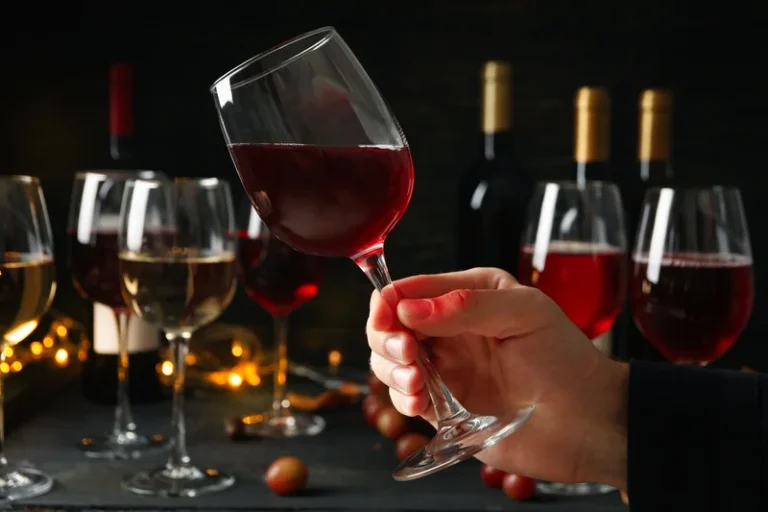
As your cravings for alcohol become more manageable, you may decide to try reintroducing situations that previously triggered your temptation to drink. These cravings can be frustrating if you’re trying to cut down on alcohol, drink less or stop drinking completely, but they are quite normal. Therapy, medication, and recovery programs can all have benefit for reducing and preventing cravings. Combining medication with therapy and other interventions can prove even more helpful than medication alone. Taking time to explore the specific people, places, and situations that cue your urge to drink can make a big difference. External triggers refer to the environmental cues you link to alcohol, including places, times, people, and situations.
Medications to Ease Withdrawal
Magnesium assists in relaxing the nervous system and curb alcohol cravings managing sleep disturbances. Omega-3 fatty acids, found in fish and flaxseeds, support brain health and mood regulation. Drinking triggers are internal or external cues that can cause a craving. Triggers can be as simple as being around others who are drinking, feeling bored, or having a memory about alcohol use.
Experts believe its activity as an isoflavonoid, plant-based estrogen or phytoestrogen might be responsible for its effects. However, just because someone experiences cravings does not mean they have AUD. Alcohol increases activity in brain areas related to reward processing, which produces rewarding or pleasurable effects. Both avoiding and distraction can work well, but if that’s all you do, they can leave you tired Alcoholics Anonymous and fearful of urges. To overcome urges and not be fearful of them, you’ll need more advanced methods.